Yazar: adminbackup

  • Why cTrader and Automated CFD Trading Change the Game for Serious Traders

    Whoa!
    I started trading CFDs years ago and felt both exhilarated and kinda… wary.
    CFDs let you trade direction, leverage, and short positions in one very flexible package, but that flexibility cuts both ways.
    My instinct said “this is powerful” before I even read the fine print.
    Initially I thought retail platforms were all the same, but then cTrader showed me a different workflow and a much clearer path to automation that actually felt usable.

    Seriously?
    Yeah—there’s real nuance here.
    CFDs are not exotic derivatives, they’re contracts mirroring underlying assets, and trading them well depends on execution, risk management, and platform reliability.
    On one hand you get leverage and tight spreads, though actually those advantages vanish if your platform slams you with slippage or slow fills during news.
    So you need a platform that handles orders like a pro, with granular control and transparent pricing.

    Hmm… somethin’ about the UI matters more than expected.
    I’ve used platforms that look flashy but hide the important bits.
    Automation is different: once you let algo logic run, you can’t babysit every trade.
    So execution quality, backtesting integrity, and a sensible API are very very important—no compromise.
    When I dug into cTrader, I realized it wasn’t just pretty; it was designed for the trader who wants control and for the developer who wants to build reliable robots.

    Here’s the thing.
    A good cTrader setup gives you deterministic behavior—meaning trades behave predictably under similar market conditions.
    That predictability is rare in retail-grade software, where “variance” often masks bugs or poor routing.
    Okay, so check this out—if you want to try cTrader on desktop or mobile you can grab the installer here which helped me get up and running quickly.
    Honestly, the access to cAlgo (cTrader Automate) and a tidy API was the tipping point for my automated strategies.

    cTrader platform showing chart, DOM and automated strategy editor

    What makes cTrader good for CFD and automated trading?

    Wow!
    It starts with order types and depth of market (DOM) visibility, which too many platforms gloss over.
    You get level II pricing, straightforward stop/limit mechanics, and real-time fills that are consistent more often than not.
    Initially I thought “that’s not a big deal,” but I was wrong—execution microstructure affects P/L in measurable ways.
    When code trades hundreds of times a day, a 0.5 pip difference becomes very real.

    Really?
    Yup.
    cTrader’s Automate environment (previously cAlgo) lets you code strategies in C#, which appeals if you’re used to robust object-oriented tools rather than black-box script languages.
    On one hand, a developer-friendly language shrinks debugging time; on the other hand it assumes you can actually code (a limit for some traders).
    But if you can, the clarity and testability of C# makes strategy logic less error-prone during live runs.

    My instinct said trading bots are risky, and that feeling saved me a few times.
    But being risk-averse doesn’t mean avoiding automation; it means designing it properly.
    Backtesting on cTrader is straightforward, though I always cross-check with walk-forward tests and out-of-sample validation.
    (oh, and by the way…) I still found edge decay in some strategies, so continuous review is non-negotiable.
    On the flipside, the platform’s built-in tools for optimization and reporting cut debugging time in half.

    Whoa!
    CFD trading with leverage amplifies both gains and losses—this part bugs me when people gloss over it.
    You should size positions by volatility, not by account balance alone, and stress-test your algo under extreme spreads and gapping sessions.
    Actually, wait—let me rephrase that: always plan for the worst plausible market snapshot and then design your exits around that.
    If you automate without contingency code (circuit breaker rules, session filters, max-drawdown stops), you’re asking for trouble.

    Wow!
    There are real-world quirks that matter, like broker-level rules, slippage patterns, and liquidity windows.
    On one hand, a strategy may backtest beautifully on tick data; though actually—broker execution and fees can turn green curves into red ones.
    So pick brokers with transparent pricing and good API docs, and always run a small live pilot before scaling up.
    I’m biased toward platforms that reveal trade economics, even if it feels nerdy—because that transparency saves capital over time.

    Getting started practically (and avoiding rookie mistakes)

    Seriously?
    Start small.
    Paper-test for months, then run a micro-account with real capital before going big.
    Initially I thought demo was enough, but demo liquidity and real-live microstructure are different animals.
    Also, automate only one variable at a time—don’t change your entry logic, exit logic, and risk settings all at once when debugging a failing algo.

    Hmm… you’ll need a workflow.
    Mine typically goes: idea → backtest → walk-forward → paper → live small → monitor → scale.
    That sequence exposes overfitting and makes sure your intuition (System 1) and reasoning (System 2) are both part of the loop.
    Sometimes the gut will say “this feels off,” and you should listen—then quantify the hunch with data.
    That combo has saved me from repeated mistakes, and it might help you too.

    FAQ

    Can I run automated CFD strategies on mobile?

    Yes, to an extent. cTrader has mobile apps that let you monitor and manage positions, but running heavy-duty algorithmic strategies usually requires the desktop or cloud instances where your bot logic and backtests live. Mobile is great for alerts and quick interventions, not for full-time algo orchestration.

    How do I limit risk with leverage?

    Use position sizing tied to volatility (e.g., ATR-based sizing), hard max-drawdown stop rules in your code, and dynamic margin checks. Never risk more than a small percentage of equity per trade, and build an automated “kill switch” that pauses trading on consecutive losses or large market dislocations.

    Is cTrader suitable for beginners?

    It’s approachable but has depth. If you want a polished UI and the option to grow into automation and API work, cTrader is a great path. But there’s a learning curve for C# and for robust risk design, so be patient—learn small, scale slowly.
  • Why Your Next NFT Wallet Should Feel Like a Browser Habit

    Whoa, this surprised me. I’m a little obsessive about wallets. I open and close extensions a lot. For months I shuffled between apps, tabs, and seed phrases like a nervous bartender. Then something changed and it was oddly freeing—my instinct said this could be the start of a better day for Solana users, though actually, wait—let me rephrase that for clarity.

    Wow, let me set the scene. NFTs live at the intersection of hype and real ownership. Many wallets promise simplicity but deliver complexity. My first impressions were all adrenaline and confusion. Over time I learned to separate design theater from practical flows, and that shifted my priorities in ways I didn’t expect.

    Really? Yes, really. I found wallet ergonomics mattered more than gimmicks. Clicking to approve a transaction should feel safe and fast. If I have to hunt for tiny checkboxes, I close the tab and never come back, which is not great for user retention and also kind of sad.

    Hmm… somethin’ felt off about the early extensions. They were clunky and full of warnings that meant little to non-technical folks. Initially I thought more alerts would help users, but then realized they just trained people to ignore things. On one hand alerts keep you safe; on the other hand they create alert fatigue and actually reduce safety when every popup screams WARNING.

    Wow, the Solana ecosystem moves fast. Transactions clear in a blink. Fees are tiny compared to other chains, and that changes user behavior in subtle ways. Because of that speed, the UX expectations rise—users expect instant feedback and minimal friction, which means wallet devs must optimize both UI and background security models.

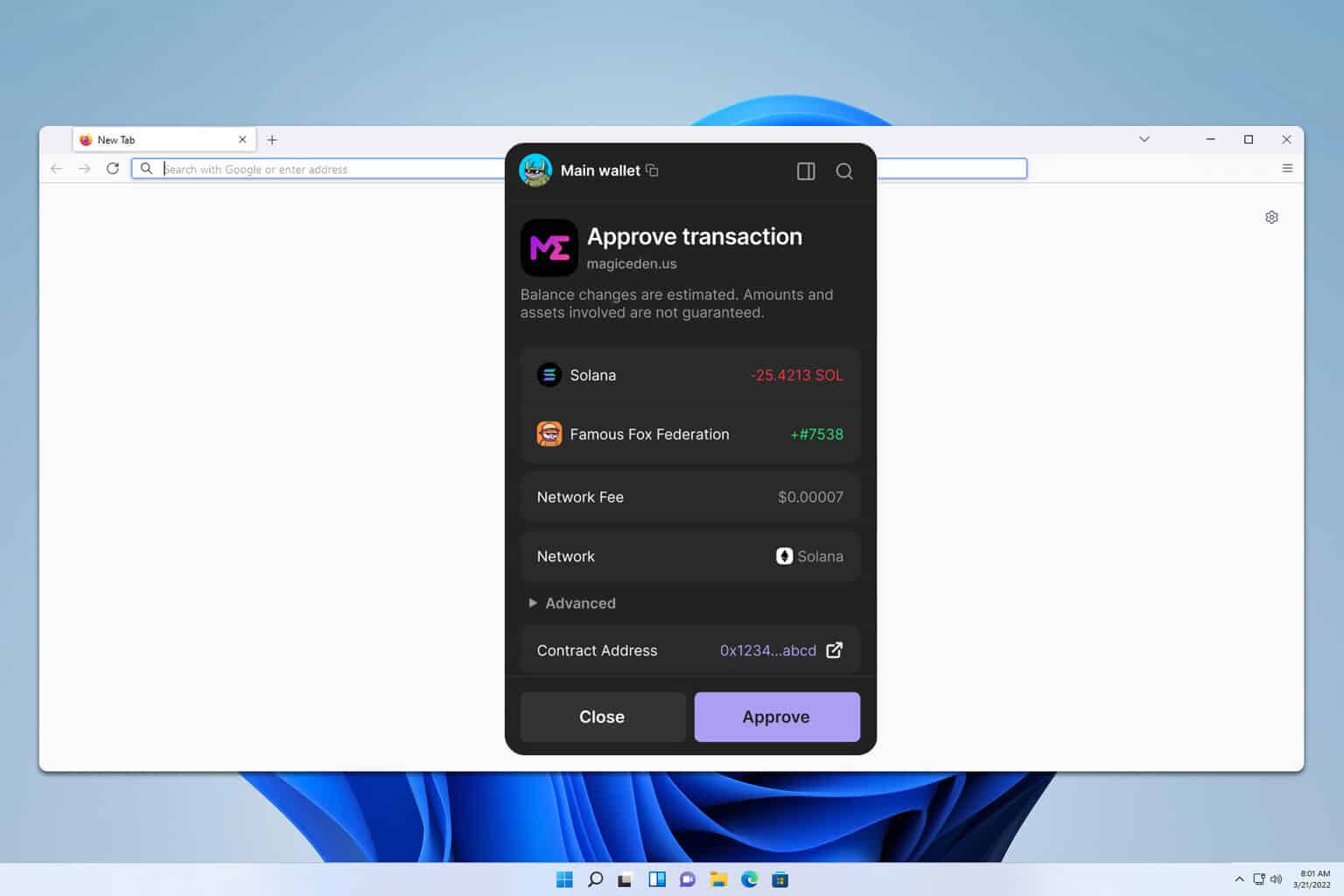
    Screenshot of a browser extension wallet approving an NFT transaction

    Whoa, privacy matters too. People think privacy is just about anonymity. It’s not. Privacy is also about not leaking which collections you browse, or which NFTs you’re collecting, especially when social dynamics are involved. I learned that wallets that blur visibility by default tend to build trust faster, and trust matters when money and identity mix.

    Wow, security isn’t only for engineers. Good UX treats security like a conversation. Transactions show clear intents. Permissions are scoped. Recovery flows work without sounding like rocket science. A wallet should protect you without making you feel dumb for trying to buy a pixel art piece at 2 AM.

    Okay, so check this out—extensions are the most natural place for quick NFT interactions. They’re a thumb away, literally. Browser wallets let you check collections while reading Twitter or list an NFT in minutes, and that convenience translates into more trades, more creators earning, and more experimentation in the ecosystem. That said, convenience is a double-edged sword if it sacrifices consent clarity.

    Wow, here’s what bugs me about poor approvals. They show cryptic transaction data, or none at all, and then expect you to hit “Approve” like it’s second nature. I’m biased, but transparency wins in the long run. When a wallet explains costs, token flows, and final states in plain language, user mistakes drop dramatically, and communities grow healthier.

    Really, trust is built in small ways. A clear nonce, a readable destination, and a simple revoke flow mean a lot. I’ve had moments where my gut flagged an approval; my instinct said stop, and that saved me from a bad signed message once. Those gut checks are valuable—wallets should respect them, not drown them in tech-speak.

    Hmm… let me be honest about trade-offs. Local key storage is convenient, but custodial models offer recovery ease. On one hand local keys mean full control; on the other hand lost seed phrases mean lost assets forever. The wise choice depends on the user’s risk tolerance and technical comfort, which is why onboarding should present both options without bias and with clear consequences laid out.

    Wow, onboarding is underrated. People will abandon an app in the first five minutes for reasons that feel trivial to engineers. Small touches—like clear language, helpful defaults, and the ability to skip advanced settings—make a huge difference. Add a gentle tutorial for NFT approvals and people stick around. Period.

    My practical pick and where to start

    If you want a browser-first experience that balances clarity, speed, and a focus on NFTs, try the phantom wallet and pay attention to how it handles approvals and collection metadata. The reason I mention this one is simple: it nails those micro-interactions that make or break NFT experiences, while keeping the flows approachable for mainstream users.

    Wow, customization matters too. Power users want granular settings. Casual users want none of that and just want things to work. A layered interface (simple defaults, advanced toggles tucked away) solves both problems most elegantly, and I’ve seen this pattern reduce support tickets a lot.

    Really, think about recovery now. Seed phrases are archaic in the mainstream sense. Social recovery and hardware support are essential steps forward, though actually they introduce new vectors if implemented poorly. On balance, a hybrid approach with hardware wallet compatibility and optional social recovery seems like the most pragmatic path forward.

    Wow, I still get nervous about signed messages. Those ephemeral approvals can grant weird permissions. The wallet’s job is to translate that into plain language and give users an easy “deny and learn” option. If a user accidentally approves something, revocation must be obvious and immediate.

    Hmm, gas estimation on Solana is less of a headache, but UX still needs to show expected cost, speed, and failure risk. Many wallets ignore failure explanations and just mark a transaction as “failed.” Users deserve to know why, and how to fix it, without opening a developer console—seriously, most people won’t do that.

    Wow, community integration is underrated. Linking collections to community chats, or showing historical provenance, helps collectors feel connected. That social context can reduce scams, because community vetting surfaces suspicious patterns. It’s social security, kind of—crowd filters applied to NFT discovery.

    Really, the NFT experience is about narrative as much as ownership. People buy stories. Wallets that present provenance, artist notes, and related links create a richer experience. That context matters when someone is deciding to invest a few dollars or a lot more in a piece of digital art or collectible.

    FAQ

    Are browser extensions safe for NFTs?

    Short answer: yes, if you choose a reputable extension and follow basic security hygiene. Use hardware wallets for high-value holdings, verify permissions before approving, and enable features like transaction previews and permission revocation when available.

    What should I check before approving an NFT transaction?

    Look for clear destination addresses, readable descriptions of token movements, cost breakdowns, and any approval durations. If the approval asks to transfer unlimited tokens or to act on your behalf indefinitely, pause and investigate—often those are signs of potential abuse.

    How do I recover access if I lose my seed phrase?

    Recovery options vary by wallet; some support social recovery or custodial backup. If you value convenience and can trust a third party, custodial backups help. If you prefer sovereignty, hardware wallets plus secure offline storage of your phrase is the safest—but remember: convenience and safety pull in opposite directions sometimes.

  • Why Solana Analytics and NFT Exploration Matter — A Practical Guide for Builders and Traders

    Ever feel like the Solana chain is this enormous, humming machine where things happen faster than you can blink? Same. It’s exhilarating and a little bit terrifying. My first real dive into Solana analytics was because a floor-sweeper bot moved faster than expected and I wanted to know how. I learned a ton—and messed up a few cursory assumptions on the way. This piece walks through what matters when you’re tracking transactions, investigating NFTs, or building DeFi monitoring for Solana.

    Short version: on-chain data is the single source of truth, but it’s noisy. You have to know where to look, what to trust, and which tools accelerate the right human intuition. I’ll be candid about tradeoffs. I’ll share patterns I use myself. And I’ll point you toward a reliable explorer I go back to often.

    Start with the basics. Transactions on Solana are bundles of instructions executed against program accounts. Each account stores state. Programs (like Serum or SPL Token) are logic that change that state. Because everything is public, you can trace flows of tokens, inspect instruction data, and see which wallets interacted with which programs. But raw data alone seldom tells the story—you’ll need context: program IDs, token mints, and the expected instruction shapes for a given protocol.

    Screenshot-style illustration: transaction trace showing instructions and token movements on a Solana explorer

    How to approach Solana analytics without getting lost

    Okay, practical steps. First: identify the anchor point for your investigation. Is it a transaction signature, a wallet address, a token mint, or a program ID? Pick one. Then follow the breadcrumbs: transaction → instructions → postBalances/postTokenBalances → logs → inner instructions. That sequence often reveals intent: swaps, mints, burns, or program-controlled transfers. My instinct when I see a weird transfer is to check inner instructions—those often explain seemingly phantom moves.

    Tools matter. For everyday lookups I use a feature-rich explorer to quickly see token holders, token metadata, and instruction breakdowns. One I frequently use is solscan explore — it makes it easy to pivot from a mint to its holder list or to a program’s recent transactions. The UI helps me connect dots faster than raw RPC responses do.

    For repeatable analytics you’ll want an indexer or BigQuery-style dataset. Raw RPC calls are great for curiosity, not for heavy queries. Indexers normalize events into tables: txs, transfers, mints, accounts, token_holders. With that you can compute metrics like holder concentration, weekly active minters, or average royalty per NFT sale. If you’re building dashboards, cache aggressively.

    Metrics I watch closely: holder distribution (Gini-ish measures), volume by marketplace, mint-to-sale conversion rate, on-chain royalty flows, and liquidity depth for SPL tokens. For DeFi you add TVL, swap volume, fees earned, impermanent loss proxies, and active LP count. Those numbers tell very different stories depending on timeframe—24h spikes can be bots; seven-day trends reveal real adoption.

    There are common gotchas. Metadata can be off-chain—if an NFT points at a broken URL or a mutable JSON, provenance questions remain. Token transfers can be programmatic and routed through intermediary accounts, which looks messy unless you inspect inner instructions and logs. RPC responses might be missing recent blocks under heavy load, so confirm with multiple nodes or a historical indexer before making definitive claims.

    When investigating an NFT mint or a suspicious transfer, here’s my checklist: verify the mint account and its metadata anchor (on-chain URI fields), check the initial mint transaction to see creator and feePayer, scan holder snapshot across first 24–72 hours to detect wash trading, and check marketplaces for associated sale signatures and fee flows. If royalties are missing, track whether marketplace contracts are enforcing them or bypassing on-chain expectations.

    For DeFi-specific analytics: map all program IDs for the protocol you’re tracking. For example, AMMs often have pool state accounts with LP token mints. Identify those to parse liquidity and LP supply correctly. Monitor pool rebalances by scanning for swap instructions and reading reserve accounts. Watch for arbitrage windows—large swap slippage paired with liquidity changes can indicate a MEV event or sandwiching behavior.

    Scaling tips for engineers. Don’t rely solely on RPC for heavy queries—use a dedicated indexer or stream logs to a warehouse. Helius and other providers can stream parsed transactions so you can trigger alerts in near-real-time. Keep an eye on slot latency and confirmation depth—some monitors use block finality heuristics (N confirmations) before alerting. Also: design schemas to join mints to metadata URIs once and cache them; repeatedly fetching the same JSON across many queries is wasteful and brittle.

    Privacy and ethics matter. On-chain transparency is powerful but also invasive: you can map wallet behavior across services. Be intentional with labeling and sharing—public shaming or doxxing based on on-chain patterns can be harmful. For compliance or law-enforcement requests, preserve chain integrity by exporting raw signatures and blocks rather than screenshots that can be edited.

    One pro tip I’ll share: maintain a small library of “known program signatures.” For example, keep quick lookups for Raydium, Orca, Candy Machine, Metaplex, and major marketplaces. When you’re scanning a transaction you can immediately flag whether it touches a high-risk program or a benign token transfer. That alone saves a lot of time and false leads.

    FAQ

    How can I verify an NFT is authentic?

    Start at the mint transaction. Confirm creator addresses, check the metadata URI on-chain, and validate that the JSON references the right image/asset (IPFS CID is best practice). Then confirm marketplace sale signatures and royalty transfers. If any step is missing or mutable fields are swapped post-mint, treat authenticity as uncertain.

    What’s the best way to monitor a DeFi pool for sudden risk?

    Monitor liquidity depth, slippage on sizable trades, and the concentration of LP ownership. Set alerts for large single-wallet withdrawals or for TVL changes beyond a threshold. Combine this with watching recent swap logs for abnormal sequence patterns that might indicate sandwich attacks or MEV extraction.

    Can explorers be used as definitive evidence?

    Explorers are useful records but remember they parse and present node data. For legal or forensic evidence preserve raw signatures and block data from an authoritative node or archive (and document your node endpoints). Explorers are great for triage and human storytelling; for hard evidence, capture immutable chain artifacts.

    Alright—here’s the honest bit. I’m biased toward tools that make pivoting fast, because I trust human pattern recognition more than automated noise filters. That said, I also know humans get fooled by correlation. So pair intuition with reproducible queries. If you can script the check and re-run it, you’ll avoid repeating the same mistaken assumptions. Somethin’ about that never gets old—the humbling of “oh, I missed an inner instruction.”

    Final takeaway: Solana analytics is approachable if you break it down into anchors and patterns. Start with a single goal—trace a transfer, validate an NFT, monitor a pool—and build the minimal schema that answers that question reliably. Then iterate. Tools like solscan explore help you move faster, but the real value is the habit of asking the right question before you dive into the data.

  • Why Ethereum Wallets, Smart Contracts, and Private Keys Still Trip Up MetaMask Users

    Whoa! I started using MetaMask years ago and I still learn new things all the time. At first it felt like a simple browser add-on I’d install and forget about. A bunch of habits, some good and some very risky, crept in unnoticed. What follows is a mix of hands-on tips, mental models for reading smart contract prompts, and the cautions that come from screwing up once or twice and learning the hard way.

    Seriously? Yes—pros get surprised too. Yes, even seasoned builders misread gas estimates or approve dubious token allowances. It’s embarrassing, but it happens more often than you’d think. Initially I thought transaction failure rates were just network noise, but then I dug into receipts and found recurring human errors tied to rushed UX choices and confusing contract names. On one hand Web3 offers composability and permissionless innovation, though actually that very openness creates attack surfaces regular software seldom faces.

    Hmm… here’s the blunt truth: private keys are an unforgiving single point of failure. Lose access and the blockchain won’t be sympathetic, no matter how convincing your story sounds. That makes local backups and hardware wallets more than optional—they’re proximity to sanity. I’ll be honest: I’m biased toward cold storage for funds you plan to hold long-term, and I accept the friction because it buys peace of mind and a much lower attack surface.

    Whoa! Day-to-day DeFi interactions often require quick hot-wallet moves. You can’t practically hardware-sign every tiny swap when juggling yield strategies and time-sensitive pools. So the balance becomes process plus paranoia: compartmentalize funds, use smart contract allowances deliberately, and—crucially—read approval dialogs like a contract attorney scanning a clause. Actually, wait—let me rephrase that: read them enough to know whether a protocol is asking to drain your tokens or simply to move them for a limited time, because the difference is everything.

    Alright. Smart contracts display function names and parameters in ways that can mislead you. A token contract might show “transfer” while a UI is tricking you into approving unlimited allowance. Watch the allowance amounts, the spender addresses, and any “infinite” toggles. On my first bad day I clicked through an approval because the UI showed a familiar logo, though the spender address didn’t match the project; that one small mismatch cost me time and value to resolve, and yeah it still bugs me.

    Screenshot mockup showing a wallet approval dialog, highlighting spender address, allowance amount, and gas fee

    The practical habits that actually help

    Whoa! Tooling helps: Etherscan, Tenderly, and a couple of right plugins give extra context. MetaMask has improved its UX, but it’s still easy to misclick on gas or approval scopes. Something felt off about one transaction recently—my instinct said stop—so I paused, copied the spender address, and used a block explorer to verify the contract; that split-second doubt saved me from a likely rug. On the flip side, automated scam-detection tools sometimes miss novel attacks, so your human pattern recognition and curiosity remain part of the defense in depth.

    Really? Yes—your headspace matters when signing. Late-night swaps, price FOMO, or hurried wallet prompts are common causes of mistakes. Make a tiny ritual: breathe, confirm addresses, then ask what the contract actually does. My instinct said everything was fine on a popular DEX UI, though after slowing down and inspecting calldata I found an odd approval that would have allowed draining a token because of a poorly labeled function in a third-party router contract.

    Whoa! Backups deserve simple, redundant rules that you actually follow. Seed phrases on paper work, but consider multiple copies and geographically separate locations. On one hand you want minimal touchpoints to reduce exposure, though scattering backups introduces its own risks like loss or theft, so pick an approach that matches your threat model. I’m not perfect—I’ve made compromises based on convenience—so pick rules you’ll stick to and then stick to them.

    Check this out—I dropped an embed above so you can visualize common UI traps. The image points to common UI traps and a wallet approval screenshot

    Alt text helps you scan transactions without clicking images. Oh, and by the way, if you’re still deciding which wallet extension to use I’ve found some practical write-ups useful, including a friendly guide to metamask that shows common user flows and setup notes.

    Again—whoa. Security isn’t binary; it’s layered decisions and explicit trade-offs. Use hardware wallets for bulk holdings and hot wallets for day-to-day moves. If you write or deploy smart contracts, test relentlessly on testnets, get code reviews, and be ready with a rollback or admin plan because fast composability can chain protocols together into obscure vulnerabilities that a single signer mistake will amplify across systems. I’m not 100% sure about every emerging tool, and I admit some of my preferences are subjective, but the core rules—protect your keys, scrutinize approvals, and practice deliberate signing—keep saving people from avoidable losses.

    FAQ

    How do I reduce the chance of accidental approvals?

    Keep a “dust” wallet for small interactions, reserve a separate hot wallet for active trading, and use hardware wallets for serious funds. Also, verify spender addresses in a block explorer before approving anything, and avoid clicking through approvals while distracted or on a coffee-fueled late-night trade. Somethin’ as small as pausing for 10 seconds can make a huge difference.

  • Running a Resilient Bitcoin Full Node: Practical Tips for Experienced Users

    There’s a particular satisfaction in watching your node validate blocks, not just trusting someone else to do it for you. If you’ve run a full node before, you know the drill — the initial sync feels like a pilgrimage and then, eventually, it’s quiet and dependable. This piece focuses on the decisions that matter after you’ve already crossed the basics: storage strategies, bandwidth management, privacy hardening, and maintenance practices that keep a node healthy for years.

    Let’s cut to the chase. The biggest trade-offs are disk space versus functionality, and accessibility versus privacy. Choose wisely; the choices you make now determine whether your node is a nimble validator on a laptop or a robust, always-on infrastructure box that supports multiple wallets and services.

    Screenshot of Bitcoin Core syncing progress

    Core configuration choices that affect longevity

    Storage: If you want a fully validating node with the complete history, plan for 500+ GB of SSD space (as of late 2025, this is rough and grows slowly). HDDs work but increase validation and I/O time. Consider a separate SSD for the chainstate and leveldb databases to lower latency.

    Pruning: Pruned nodes save disk space by discarding old block data while still validating new blocks. It’s excellent if you only need validation and don’t serve archival data. But note: pruning disables certain APIs and you can’t rescan the full history locally. If you run services that require full history (indexers, explorers, some watchtower setups), pruning isn’t for you.

    txindex and UTXO snapshotting: txindex enables full transaction lookup by txid — useful for explorers and some wallet backends. It costs disk space and rebuild time. For quick recovery or bootstrapping, consider maintaining periodic UTXO snapshots (securely) or use trusted peers for initial block download only when appropriate.

    Bandwidth and connectivity: A public, well-connected node helps the network. If you’re comfortable, allow incoming connections and forward port 8333. Use rate limits in bitcoin.conf to prevent ISP overage issues (listen and maxconnections are obvious knobs). If you can’t forward, configure strong outgoing peer management and consider setting up a persistent connection to trusted nodes.

    Privacy and security hardening

    Don’t conflate running a node with being private by default. Your IP reveals a lot. Run over Tor if you care about unlinkability between your node and your wallet or services; Bitcoin Core has good Tor integration (use proxy and listen options). This helps, but it’s not a full anonymity solution — combine with wallet-level best practices.

    Wallet considerations: Many experienced operators run a node without a local wallet or use a watch-only wallet with descriptors. This separates attack surface; keep your signing keys offline and use PSBT workflows where possible. If you do run a wallet in Bitcoin Core, encrypt it and regularly test backups; wallet.dat corruption, though rare, is a pain to recover from without backups.

    Authentication and RPC: Secure your RPC interface — use cookie-based auth or strong rpcuser/rpcpassword if exposing RPC on a LAN. Never expose RPC to the public internet. For programmatic access, run an API gateway on the same host and avoid giving third-party apps wallet access unless unsigned, audited PSBT flows are used.

    Operational tips: maintenance, monitoring, and backup

    Backups: Beyond wallet backups, snapshotting your chainstate and chain data can shorten recovery time. Keep offsite encrypted copies of critical config files and wallet backups. Periodically restore to a test machine to ensure backups are valid — don’t assume they are.

    Monitoring: Use simple alerts: disk usage, peers, mempool size trends, and block height drift. Prometheus exporters and Grafana dashboards are common in ops setups, but a few crontab scripts with email alerts work fine for solo operators. Make alert thresholds conservative — false positives are annoying, but so are missed failures.

    Upgrades and consensus changes: Stay conservative with upgrades around hard forks or soft-fork activations. Follow release notes and mailing list discussions. If you run services depending on a stable RPC API, test releases in a staging environment first. For most users, upgrading to the latest stable Bitcoin Core release is the right move, but timing matters when there are consensus-critical changes.

    Performance tuning

    Indexing and reindex: Reindexing is slow and I/O heavy. If you need txindex and don’t want long downtimes, plan hardware accordingly or run a separate archival node just for the index. DB cache settings (dbcache) have huge impact on initial sync speed — increase based on available RAM, but don’t starve the OS.

    Practical tip: Use an SSD for chainstate and a larger HDD for pruned historical blocks (if you mix setups). It’s not elegant, but it’s pragmatic: writes are concentrated on the SSD and cold data lives on cheaper storage.

    When to run multiple nodes

    If you rely on Bitcoin for business operations or custodial services, run at least two nodes in different geographic or network zones. One can be a Tor-only node and the other a high-availability clearnet node. Diversity reduces correlated failures and makes upgrades safer — if one node misbehaves after an upgrade, the other keeps you honest.

    FAQ

    How much bandwidth does a node use?

    Initial sync can be hundreds of GB downloaded, plus uploads as you serve peers. Ongoing usage varies but expect tens of GB per month for a typical always-on node; if you have many inbound connections expect more upload. Use txrelay and rate limits to manage.

    Can I run a node on a Raspberry Pi?

    Yes—many people do. Use an external SSD and give it enough RAM and swapheadspace. Performance will be slower but perfectly viable for personal use; don’t expect lightning-fast reindexes.

    Is pruning safe for long-term custody?

    Pruning is fine for validation, but for long-term custodial assurance, you should keep secure backups of wallet keys and consider running at least one archival node in your infrastructure or using a trusted third-party snapshot if you need full history occasionally.

    If you want the official client or releases, check out bitcoin core — the project’s documentation helps with specifics and platform downloads. Run your node, stay informed, and remember: a resilient node is an investment in your own sovereignty on the network.

  • Why Staking Rewards, Spot Trading, and Hardware Wallet Support Matter for Multi-Chain DeFi Users

    Okay, so check this out—DeFi isn’t some one-trick pony anymore. Wow! For anyone juggling multiple chains, the trifecta of staking rewards, spot trading, and hardware wallet support changes the game, and not just a little. Medium-sized platforms promise convenience, but real power comes when security, liquidity, and yield line up in a way that fits how you actually trade and sleep at night. Here’s the thing: you can chase APYs all you want, but if your UX stinks or your keys are exposed, those rewards evaporate fast.

    Seriously? Yep. The math looks great on paper—double-digit yields, leveraged spot strategies—but the execution side is where people get burned. My instinct said “risk it” back when I first dove into yield farming, and I learned three obvious lessons the hard way: custody matters, chain fragmentation costs time and fees, and market access without friction is underrated. On one hand, staking offers steady passive income; on the other, liquid markets let you capture short-term moves and reallocate quickly. Though actually, that balance depends on the platform’s UX and security model more than the theoretical APY.

    Imagine you’re holding an array of tokens across Ethereum, BSC, and a couple of L2s. Short sentence. You want to stake some DOT and earn rewards, but also be able to spot-trade ETH quickly if volatility spikes. Medium sentence with a bit more detail to explain how that works. Long sentence with nuance because the devil is in the gas and bridging mechanics, which can eat yields and lock funds for hours if you pick the wrong method or bridge.

    A dashboard showing staking rewards, spot orders, and hardware wallet connectivity for a DeFi user

    Staking rewards: steady income vs. liquidity trade-offs

    Staking is attractive because it feels passive. Wow! But pause—staking isn’t uniform. Some networks require lockups, some give instant unstaking at lower yields, and validator choice affects both earnings and security. Medium sized explanation continues here with the point that validator performance and slashing risk can materially change effective APRs. In practice, you should ask whether the staking process is non-custodial, how fees are taken, and whether you can access liquid staking derivatives if you need exposure without the full lockup.

    I’ve stacked ETH and solana stakes before, and somethin’ that bugs me is when platforms hide the fee structure. Short aside. It’s easy to see a 7% APY and think you’re set, but then there are commission cuts, admin fees, and sometimes a tax-like inflation adjustment that nobody mentions up front. Long thought: the net yield after all deductions and opportunity costs—like missed trading opportunities while staked—can be far lower than advertised, which is why combining staking with accessible spot trading matters.

    Spot trading: why quick market access matters for stakers

    Spot trading gives you optionality. Really? Yes. If you can jump in and out of positions across chains, you can harvest gains and redeploy into higher-yield stakes or cover impermanent exposure. A medium sentence here unpacks that tradeoff: liquidity is king, and execution speed often beats tiny APY differences. Longer point: if your wallet and exchange integration makes cross-chain swaps cumbersome, you’ll either miss moves or waste so much on gas and bridges that your net performance suffers.

    Pro tip: use platforms that combine on-ramp liquidity with efficient spot order books, because markets move fast and fees compound. Short sentence. Also, look for platforms that show depth and real slippage estimates—those metrics tell you whether you can reasonably execute a $10k order without blowing the exit on fees. I’m biased toward setups where my exposure is visible across chains in one dashboard (oh, and by the way… that UX saves time and sanity).

    Hardware wallet support: non-negotiable for real security

    Hardware wallets remain the baseline for protecting keys. Wow! If you care about long-term holdings or staking large sums, keeping private keys off an internet-connected device is essential. Medium sentence to explain compatibility: check that the wallet you use supports common hardware devices and that signatures are performed client-side. Longer sentence: the integration should be seamless enough that you can sign staking delegations, approve spot trades, and confirm cross-chain bridge operations without exposing your seed phrase or copying keys into browser extensions that have a sketchy track record.

    Here’s the thing. Not all “hardware support” is created equal. Short sentence. Some apps claim compatibility but actually funnel critical signing through centralized servers or use awkward USB-only flows that defeat the purpose. I’m not 100% sure which providers will survive regulatory pressure, but I’ve learned to prefer open standards and clear documentation when connecting hardware wallets to DeFi platforms.

    Bringing it together: what a practical setup looks like

    Picture a single wallet app that shows your multi-chain balances, lets you stake with transparent fees, executes spot trades with low slippage, and connects to your Ledger or similar device for signing. Short statement. Medium explanation: that combination reduces friction, cuts operational risk, and gives you tactical flexibility to capture both yield and market moves. Long explanatory sentence: having this integration means you can shift from passive staking to active trading in minutes without moving funds through risky bridge flows, reducing both time exposure and cumulative fees.

    If you want a place to start testing that setup—one with integrated wallet and exchange features, multi-chain visibility, and hardware wallet compatibility—check out this wallet here as a practical example of the kind of integration I’m talking about. Short follow-up. I’m not endorsing any specific APYs, but I value the convenience and security model they showcase.

    Keep in mind taxes and compliance. Medium sentence. Unstated obligations can turn a great strategy into a mess if you don’t track realized gains and staking income, especially in the US where reporting rules have been tightening. Longer note: consider tooling that gives transaction histories in exportable formats so you don’t end up reconstructing a year’s worth of trades and staking receipts at tax time.

    FAQ

    How do staking rewards compare across chains?

    Short answer: they vary a lot. Medium: protocols and tokenomics drive APRs, and utility-demand plus inflation rates determine long-term sustainability. Longer: always compare net yields after commission, slashing risk, and the cost of locking funds—what looks shiny now might be less attractive after those adjustments.

    Can I spot trade while my assets are staked?

    Sometimes. Quick: liquid staking tokens can give you tradable exposure while your base tokens remain staked. Medium: not all assets offer liquid derivatives, and those derivatives carry their own counterparty risks. Longer: evaluate whether using liquid staking derivatives fits your risk tolerance, because you trade one kind of risk for another (liquidity vs. custody vs. protocol risk).

    Is hardware wallet support really necessary?

    Yes. Very short. Medium: for any sizeable holdings or long-term position it’s effectively mandatory, because it drastically lowers the risk of remote compromise. Long: the marginal inconvenience of a hardware wallet is tiny compared to the one-time catastrophe of a lost seed or a hacked hot wallet, so plan for secure signing workflows from day one.

  • Why Seed Phrases Are Dying — And the Smart-Card Future That’s Quietly Happening

    Wow!

    I’ve been in crypto long enough to feel the weather change. My instinct said something was up when friends stopped mumbling seed words out loud. Initially I thought it was just laziness, but then patterns emerged that made me really pause — people lose paper backups, apps get phished, and recovery becomes a disaster movie with no happy ending.

    Whoa!

    Here’s the thing. Most tutorials still treat 12 or 24 words like a sacred ritual. That ritual is fragile though, because humans are fallible and so are the systems they trust. On one hand the seed phrase is elegant and wonderfully decentralized; on the other hand it’s terribly user-unfriendly and often downright insecure in practice, especially for newcomers.

    Really?

    Okay, so check this out — the seed phrase model assumes perfect storage habits. It assumes no coercion, no device compromise, no careless screenshots, and frankly it assumes you read all the fine print. My gut said “nope” the first time I watched a friend put a typed seed phrase into a cloud note. Oof.

    Hmm…

    Let’s slow down and think like an analyst for a second. The technical strengths of mnemonic seeds are clear: interoperability, BIP39 compatibility, wide support across wallets. But the usability math is brutal; the attack surface grows with every human step added to the recovery flow, and social engineering exploits that surface like a weed. Initially I thought a better UX would solve everything, but actually, wait — the solution needs to reduce human touch points, not just pretty them up.

    Wow!

    So what else is on the table? Smart-card hardware wallets. These are physical cards — think credit-card form factor — that hold your private keys securely inside a secure element. They’re designed to be simple to carry, hard to extract keys from, and easy for non-tech people to use without memorizing anything or writing long word lists on paper.

    Whoa!

    I’m biased, but I like the elegance of turning a complicated process into a tiny object that behaves the way people expect a card to behave. That said, there are trade-offs; physical tokens can be lost or damaged, and you still need a recovery plan. On the other hand, the friction reduction is real — fewer human steps usually means fewer mistakes.

    Really?

    Let me walk you through a practical example. Tangible cards like the tangem wallet store keys on a secure chip and authorize transactions with NFC taps, which means no seed words to speak aloud or scratch onto a Post-it. The flow is: tap to confirm, sign, and go — which sounds trivial, but trivially reduces a whole class of human error. I’m not 100% sure every model is perfect, but in everyday use this design beats scrappy paper backups for most people.

    Hmm…

    On a more technical level, these cards often use a hardware-backed keypair where the private key never leaves the chip. That mitigates remote extraction attacks, and when combined with firmware designed to resist side-channel leaks, you end up with a robust on-device root of trust. On the flip side, supply-chain and manufacturing integrity become bigger concerns, because if the card arrives compromised the hardware protections are moot.

    Wow!

    Here’s where I get a little nitty. Many products market “no seed phrase” as if that’s equivalent to “no backups.” That’s wrong. You still need a recovery strategy; it’s just different. Some cards allow creation of a secondary recovery card, others use multi-device schemes, and a few integrate with air-gapped backup procedures. The nuance matters, and it matters a lot if you’re managing serious assets.

    Whoa!

    Practicality check: for most users who want simplicity and real security, a smart-card approach wins out. For custodial situations (business custody, multisig?) the card can be one factor among several. For heirs and estate planning though, the model forces you to create a clear, physical plan — store the card in a safe, add redundancy, and document ownership in trusted legal docs. Don’t be lazy here; plan.

    Really?

    Okay, now the security trade-offs in plain terms. Step one is adversary model: are you defending against remote hackers, or targeted physical attackers? Smart-cards shine against remote compromise. If someone breaks into your house, steals your card, and coerces you, the hardware won’t magically save you. So the solution isn’t a single device — it’s layered defenses, and that sometimes feels messy compared to the tidy myth of “one seed to rule them all.”

    Hmm…

    Let me reason this out. On one hand you want infrequent high-friction recovery that deters casual theft; on the other hand you need accessible recovery for legitimate times when you can’t reach the card. Balancing those needs generally leads to hybrid designs: a card as the primary key plus a separate encrypted backup held by a lawyer or trusted friend, or a distributed backup using threshold cryptography. Each adds complexity, sure, but complexity is often necessary.

    Wow!

    Here’s what bugs me about current industry messaging — companies promise “seedless simplicity” but gloss over legal and lifecycle details. I’m not trying to be a downer; I’m just saying read the small print and test your recovery plans in low-stakes scenarios. If somethin’ feels vague, it probably is — ask questions, and actually try restoring funds before you trust the system with real money.

    Whoa!

    For readers who want a practical takeaway: if you value both convenience and strong protection, consider adopting a smart-card hardware wallet as your primary key, while designing a robust, documented backup strategy. The tangem wallet experience is a good exemplar of this approach — it’s intuitive, portable, and built around a secure element that keeps keys offline during normal use.

    A smart-card hardware wallet held near a phone for NFC signing

    How to choose the right smart-card setup

    Focus on supply-chain transparency, firmware update policy, and whether the device supports a tested recovery workflow. Ask about export protections and whether the manufacturer publishes security audits or whitepapers, because those signals matter. I’m biased toward devices with open protocols and community scrutiny, though I know full well that perfect openness isn’t always feasible for every vendor.

    FAQ

    Q: Can I completely ditch seed phrases?

    A: Sort of. You can avoid using them in daily ops by relying on smart-card storage, but you shouldn’t ditch backup thinking. A seedless daily UX still needs a recovery plan — whether that’s a second card, a legal escrow, or a threshold scheme.

    Q: What about multisig?

    A: Multisig pairs well with smart-cards. Use the card as one signer among others to reduce single-point failures. Multisig forces attackers to compromise multiple keys, which is a practical security multiplier.

    Q: Are smart-cards safe from cloning?

    A: Generally those built on secure elements aim to be non-extractable and non-cloneable, but no system is infallible. Evaluate threat models and expect the occasional firmware or supply-chain vulnerability — that’s just reality, though careful vendor selection lowers the odds.

  • Why Sports Predictions Are Changing Thanks to Crypto Markets

    Whoa! Ever thought about how betting on sports has morphed with the rise of crypto? I mean, it’s wild how something so old-school like predicting game outcomes now dances with blockchain tech and market sentiment. At first, I figured it was just another gimmick—sports betting meets crypto hype. But then I dug deeper, and, honestly, it’s a whole new ball game. The lines between traditional sportsbooks and prediction markets are blurring, creating fresh ways for traders and fans alike to engage.

    Let me tell you, the vibe around this isn’t just excitement; there’s a touch of skepticism too. Something felt off about decentralized platforms initially—how do you trust a market driven by collective guesses on unpredictable events? But as I poked around, I realized these platforms bring transparency and liquidity that old betting systems often lack. It’s like the crowd’s wisdom meets blockchain trust.

    Here’s the thing. When you think about it, sports predictions aren’t just about who wins or loses anymore. They’re influenced by market sentiment, news flow, and even social chatter—elements that crypto traders are pretty familiar with. So, mixing these with crypto-powered prediction markets creates a dynamic ecosystem where traders can hedge, speculate, and even learn from real-time data in ways traditional betting just can’t match.

    Okay, so check this out—platforms like Polymarket have been quietly revolutionizing how US traders can bet on event outcomes, including sports. What’s cool is that these platforms let you tap into collective intelligence while using crypto as the medium, making transactions faster and more transparent. I stumbled across the polymarket official site a while back, and it’s been a bit of a game changer for me.

    But wait—don’t get me wrong. It’s not all sunshine. The volatility in crypto markets adds an extra layer of complexity. Sometimes, the market sentiment swings wildly, not because of the sports event itself but due to external crypto news. This can skew odds in unpredictable ways. On one hand, that’s a chance for savvy traders to capitalize; on the other, it introduces risks that casual bettors might not be ready for.

    From Gut Feelings to Data-Driven Bets

    Initially, I thought sports betting was just luck and intuition. You know, cheer for your team, place your bet, hope for the best. But with crypto-based prediction markets, the game changed. Now, you see traders analyzing sentiment indicators, social trends, and even macroeconomic factors influencing the crypto ecosystem, all of which ripple into sports predictions.

    My instinct said this was overcomplicating things, but then I realized the parallels with trading crypto assets themselves. Both require balancing gut feelings with hard data. Sometimes, your first impression is right; other times, deeper analysis reveals the opposite. On Polymarket, for example, you can see how market sentiment ebbs and flows around big games, and honestly, watching those shifts is as thrilling as the matches themselves.

    Here’s what bugs me about traditional sportsbooks—they often operate with opaque odds and slow settlement times. Crypto prediction markets flip that script. The transparency of blockchain means you can verify how odds are set and see real-time liquidity. Plus, settlements happen fast—no annoying waits. But yeah, it’s a double-edged sword because faster settlements mean you need to be quicker on your feet, reacting to news and sentiment faster than ever.

    And oh, by the way, the community aspect is huge. On these platforms, traders aren’t just anonymous bettors—they’re participants in a shared market, where collective predictions can sometimes outperform experts. It’s crowd wisdom in action, and honestly, sometimes the crowd gets it right even when analysts don’t. Though actually, there are moments when hype drives irrational outcomes, so it’s not foolproof.

    A dynamic graph showing shifting market sentiment during a major sports event

    Trading on sports outcomes with crypto feels like surfing a wave that’s part data, part emotion, part chance. This blend is what makes it endlessly fascinating—and risky. If you want to get serious, you’ve got to understand not just the sport but also how crypto markets breathe and pulse.

    Why Market Sentiment Matters More Than Ever

    Something I kept noticing: market sentiment often paints a more vivid picture than raw statistics. For example, if a star player gets injured, the market reacts instantly—sometimes overreacting. This creates opportunities for traders who can spot when sentiment has gone too far. I’m biased, but I think that’s where crypto prediction markets shine compared to traditional betting sites.

    Still, it’s tricky. Sentiment can be manipulated. Social media hype, rumors, or even coordinated campaigns can push markets in directions that don’t align with actual event probabilities. That’s why I always recommend combining on-chain data with off-chain news. Platforms like Polymarket provide tools that help dissect these layers, making the trading experience richer—and more challenging.

    Honestly, the interplay between sports predictions and market sentiment reminds me of trading altcoins. Both require a sharp eye for narratives and the patience to wait for the right moment. The difference is, in sports markets, events happen on a fixed schedule, which adds a rhythm you can anticipate. That predictability is comforting but also means you must be ready for sudden surprises.

    Here’s a little secret: the best traders on these platforms often have backgrounds in both sports analytics and crypto trading. They leverage diverse skill sets to interpret signals others miss. If you’re diving in, don’t underestimate the value of learning both worlds. It’s not just placing bets; it’s about interpreting a complex, ever-shifting market.

    Another thing—liquidity is king. Without enough liquidity, markets can be inefficient or prone to manipulation. That’s why established platforms with robust user bases, like the polymarket official site, matter. They provide the depth and reliability that make trading sports predictions viable and interesting.

    What’s Next for Crypto and Sports Prediction Markets?

    Looking ahead, I see these markets evolving in ways that could disrupt traditional sports betting entirely. Imagine integrating real-time biometric data from players, AI-powered sentiment analysis, and even decentralized governance for odds setting. It sounds sci-fi, but the groundwork is already there.

    That said, regulatory uncertainty in the US makes things messy. Some states embrace crypto-based prediction markets, while others clamp down hard. It’s a patchwork that keeps the landscape uneven. If you ask me, we’re still in the early innings of what could become mainstream.

    Also, user experience matters. Platforms that manage to combine an intuitive interface with deep analytics will win the hearts of traders and casual bettors alike. I’ve seen some clunky UIs that just kill the vibe, so it’s a big deal. Polymarket, for instance, strikes a decent balance, though I wish they’d improve mobile features.

    Anyway, this realm feels like a vibrant frontier where finance, sports, and tech collide unpredictably. It’s thrilling and a bit daunting. For anyone curious, dipping a toe in via a trusted platform like the polymarket official site is a solid start.

    So yeah, sports predictions through the lens of crypto markets are more than just a fad—they’re reshaping how we think about betting, trading, and collective intelligence. And honestly, that’s pretty exciting stuff.

    Frequently Asked Questions About Crypto Sports Prediction Markets

    How do crypto prediction markets differ from traditional sports betting?

    Crypto prediction markets operate on blockchain technology, offering greater transparency, faster settlements, and often lower fees. Unlike traditional sportsbooks, they leverage collective market sentiment and allow anyone to create markets on event outcomes.

    Is it safe to use platforms like Polymarket for sports predictions?

    While platforms like Polymarket are generally secure and transparent due to blockchain, users should be aware of crypto market volatility and regulatory risks. It’s wise to start small and understand the platform’s mechanics before diving deep.

    Can market sentiment really influence sports predictions?

    Absolutely. Market sentiment often reacts faster than stats, incorporating news, rumors, and social buzz. Skilled traders can exploit these shifts, though sentiment-driven markets can sometimes be irrational or manipulated.

  • Why Bitcoin Privacy Still Matters — and When Coin Mixing Helps (But Isn’t a Magic Wand)

    Whoa! Privacy in Bitcoin keeps surprising people. Really? Yes — and not always in the way you expect. Bitcoin is pseudonymous, not anonymous. That distinction matters a lot, though actually, wait—let me rephrase that: your addresses don’t hide you the way cash does, and small habits leak a ton of data.

    I’ve been in this space a long time. My instinct said early on that privacy was mainly for criminals. Initially I thought everyone worried too much about chain analysis. But then I watched ordinary folks get doxxed by a single careless reuse of an address, and that changed my view. On one hand, privacy tools like CoinJoin improve fungibility. On the other hand, they bring operational complexity and some legal gray areas. So here’s a frank take — practical, messy, and useful.

    Coin mixing — the shorthand people use — is really a family of techniques that reduce linkability between inputs and outputs. A simple metaphor: imagine everyone drops their bills into a hat and then each person draws the same total amount back out in different notes. That’s CoinJoin in spirit. It breaks obvious on-chain connections without changing Bitcoin’s fundamentals. It doesn’t erase history; it dilutes it. And again, it’s not a magic eraser.

    A visual metaphor: many hands placing coins into a single bowl, then drawing them out

    What CoinJoin actually does (without the hype)

    CoinJoin pools transactions so that multiple users appear as a single transaction on-chain. The result is that standard heuristics — the easy rules chain-analysis tools use — can’t reliably tell which input paid which output. That raises the cost of tracing. It forces analysts to use weaker signals and more expensive work. But here’s the catch: privacy gains are probabilistic, not absolute. They’re about increasing uncertainty, not guaranteeing secrecy.

    Here’s what bugs me about the discussion online: people treat privacy tools as either perfectly safe or criminally dangerous. The truth sits in the middle. You get better privacy when enough people participate. Volume and diversity matter. Low usage makes your transaction stick out. High usage smooths you into the crowd. So community matters. That’s why trusted, widely used implementations matter too.

    Wasabi Wallet and non-custodial CoinJoin

    If you want an open-source, non-custodial implementation of CoinJoin that focuses on user sovereignty, check out wasabi wallet. It’s designed so you keep your keys, and the mixing happens peer-to-peer via coordinated CoinJoin rounds. I’m biased, but I appreciate the design choices: transparency, reproducibility, and a clear threat model. Still, it’s not plug-and-forget. You need to understand what mixing changes — and what it doesn’t.

    Using a CoinJoin wallet reduces easy links. It doesn’t hide your identity if you later post your addresses on a forum tied to your name. It won’t protect funds that leave for services requiring KYC if those services then correlate transactions. So think of mixing as one tool in a broader privacy toolkit, not the entire toolbox.

    Okay, so check this out—privacy hygiene matters. Small operational mistakes can undo months of careful mixing. Reusing addresses, broadcasting transactions from traceable IP addresses, or linking coins to KYC exchanges will leak information. I’m not here to scare you; I’m here to make you practical. A few habits go a long way: separate funds for different purposes, avoid address reuse, and keep software updated.

    Hmm… some readers want to know if CoinJoin is safe to use. Short answer: generally, yes — from a technical standpoint. Legally the picture depends on your jurisdiction and context. I’m not a lawyer. I’m not 100% sure of how your local regulator will treat every case. But in many places, using privacy-enhancing tools by itself isn’t illegal. Using them to conceal proceeds of crime is. Don’t be reckless; if you have real concerns, get legal advice.

    Trade-offs and real risks

    Privacy isn’t free. CoinJoin often costs fees and time. You wait for collaborators. You might lose some liquidity or pay higher fee dynamics. There are also metadata risks: wallet upgrade patterns, precise round timing, and how you move coins afterward can create linkability. Tools can minimize these leaks, but they rarely eliminate them.

    Also, there’s reputational risk. Banks, custodial services, or exchanges sometimes flag mixed coins. That can slow withdrawals or invite extra scrutiny even when you have legitimate reasons for privacy. So plan ahead. If you anticipate using custodial services later, consider how mixing will interact with their policies.

    And technologically speaking, nothing is ever 100% private. Advances in analytics, access to off-chain data, subpoena power — these can weaken privacy over time. That’s why continual improvement, audits, and open research are crucial. It’s also why decentralization and widespread adoption help: the more indistinguishable users are, the better for everyone.

    Practical, high-level privacy guidance

    I’ll be honest: there are no secret recipes that I can safely give you here. But there are common-sense practices that reduce accidental deanonymization. They aren’t complex. They’re consistent. Try these:

    – Treat privacy as a system, not a single action. One mistake can undo many good steps.

    – Use non-custodial wallets when feasible. Keep control of your keys. That reduces third-party risks.

    – Avoid address reuse. It sounds obvious. Yet people do it all the time.

    – Separate funds conceptually: savings, spending, business. Clear boundaries help.

    – Keep software updated and use well-audited open-source tools. The community matters for trust.

    I’m leaving out operational minutiae on purpose. Why? Because I won’t help cover up wrongdoing, and because safe, specific operational guides can sometimes be misused. If you’re using privacy tools for legitimate reasons and want more technical guidance, seek community resources, developer docs, and legal counsel tailored to your situation.

    FAQ

    Is using CoinJoin legal?

    Mostly yes — context matters. Using privacy tools by itself is not inherently illegal in many countries. But using them to conceal criminal proceeds is. Also, service providers may treat coin-mixed funds cautiously. If you handle regulated funds, consult legal counsel to avoid compliance issues.

    Will mixing make my coins entirely untraceable?

    No. Mixing increases anonymity by creating ambiguity. It raises the bar for tracing but doesn’t erase the transaction history. Combine mixing with good operational security if privacy is your goal.

    How do I choose a wallet?

    Pick wallets that are open-source, widely used, and have transparent design goals. Non-custodial options are preferable when privacy is important. Read the docs, follow community audits, and keep expectations realistic.

    So what’s the takeaway? Privacy in Bitcoin is a layered problem. Coin mixing, implemented thoughtfully through open, non-custodial tools, meaningfully improves fungibility and reduces easy linkage. But privacy is fragile. It’s social, technical, and legal. Protecting it means making choices you can live with—trade-offs included. Somethin’ to chew on.

  • Why a Multi-Chain Browser Wallet Is Your Best Defense — and Where They Still Trip Up

    Whoa! That first sentence sounds dramatic, but hear me out. I’m curious and skeptical at the same time about most wallets. My gut says a browser extension that tries to do everything often sacrifices security for convenience. Initially I thought more chains meant more freedom, though then I saw how quickly complexity becomes the enemy when signatures and approvals pile up.

    Seriously? Yes. Wallets now shimmy between Ethereum, BSC, Polygon and dozens more. That capability is great for users who live in Web3 day-to-day. But when a single extension manages keys for multiple chains, the attack surface multiplies in ways most people don’t appreciate until it’s too late. On one hand you have convenience; on the other, you get combinatorial risk that can sneak up on you.

    Here’s the thing. Multi-chain support requires careful permissioning. Many extensions ask for broad allowances that are rarely needed for a single transaction. My instinct said “tighten those scopes,” and somethin’ about blanket approvals always felt off. Actually, wait—let me rephrase that: blanket approvals are the single biggest UX/security compromise I’ve seen in mainstream browser wallets. So watch those contract allowances like a hawk.

    Hmm… this next part bugs me. Browser extensions run inside the same runtime environment as other extensions, which means inter-extension leaks are a real thing. You can sandbox, but you can’t perfectly isolate JavaScript from clever injection patterns, especially when users install many add-ons. On top of that, phishing sites mimic dApp UIs so well that users click through warnings, and then—well—things go sideways fast.

    Okay, so check this out—transaction signing prompts need to be crystal clear. Too many wallets show cryptic hex and gas info, which most people gloss over. That leads to accidental approvals of token approvals or contract interactions that they didn’t mean to authorize. I’m biased toward UX that makes intent explicit, even if it annoys power users. This tradeoff matters more than you think for long-term security.

    Here’s another wrinkle. Wallets that support multiple chains often implement their own internal chain switching logic, and when that logic is buggy, transactions can silently go to the wrong network. That error can cost you funds or expose you to replay attacks between chains if transaction nonces or signatures are mishandled. So, double-check chain IDs and always validate the destination before signing—that’s non-negotiable in my book, very very important.

    Browser wallet popup showing a multi-chain account and transaction details

    On a human level, this stuff is scary. Whoa, seriously—I’ve seen folks approve an approval that allowed a contract to drain every token type they had. My first impression was disbelief, but then I watched transaction histories and realized the pattern repeats. Initially I thought hardware wallets would solve everything, but the reality is more nuanced: hardware locks keys, yes, though the host environment still influences what you confirm. The balance between offline key protection and live signing experience is tricky, and wallet designers keep tripping over it.

    Okay, I’ll be candid. I’m not 100% sure any single solution is perfect yet. There are tradeoffs and the ecosystem is evolving fast. On one side you have pure browser extensions that prioritize convenience and dApp immediacy, on the other you have strategies that emphasize hardened key storage or transaction relay checks. The better wallets try to combine layered protections, like hardware integration plus on-device heuristics, though even those can be imperfect.

    Something felt off when I used a popular multi-chain wallet recently. It auto-connected to a dApp and requested an allowance without clarifying token type. I almost clicked through. My instinct said “stop,” so I didn’t. That hesitation saved my tokens. On reflection, the wallet could have forced a confirmation step that mapped token approvals back to human-friendly names, but it didn’t. That failure is a product decision as much as a technical oversight.

    So what should a secure multi-chain browser extension actually do? Short answer: fewer surprises. Medium answer: present minimal viable permissions, explicit contract context, and clear chain metadata. Longer answer: employ EIP-712 style structured signing where possible, sandbox contract interactions, surface historical behavior for the dApp requesting access, and integrate optional hardware-backed signing for high-value transactions so that a stolen browser profile isn’t the entire attack vector. Those measures collectively raise the bar against automated and social-engineering attacks.

    Seriously, do not underestimate smart contract approval hygiene. Revoke approvals regularly. Use safe defaults that limit infinite approvals. Many users don’t realize how easy it is for a malicious contract to request an ERC-20 allowance and subsequently drain funds. On the bright side, some wallets now include approval dashboards and revoke buttons, which is a big step forward. That said, reconciliation of approvals across chains is still clumsy and needs better UX thinking.

    My instinct said “bake in deception detection,” and developers are starting to do that. For instance, heuristic checks can flag suspicious gas spikes or muted confirmations that differ from expected dApp patterns. However, heuristics generate false positives too, which annoy users and erode trust. On balance, I prefer wallets that surface a clear “why this transaction?” explanation right in the prompt, and that allow power users to drill into the raw data if they want to.

    Practical tips and a recommendation

    Okay, so check this out—if you’re looking for a multi-chain browser wallet that balances safety and usability, test it against a short checklist: minimal default permissions, clear signing dialogs, hardware-wallet compatibility, approval dashboards, and good chain-switching safeguards. I’m biased, but I’ve been following newer wallets that design from “least privilege” principles, and they tend to reduce user error dramatically. If you want to explore one such option and see how those features feel in practice, try it out here and make up your own mind.

    Okay, a quick tangent—(oh, and by the way…) if you’re into bridges and cross-chain swaps, understand that the risk profile changes again. Bridges introduce custodial or smart-contract trust assumptions that can nullify wallet-level protections. Initially I thought bridges were solved, but then several failures reminded me they’re still an active risk vector. So when you cross chains, treat it like a new threat model every time.

    FAQs

    How do I reduce the risk of token theft with a browser extension?

    Keep approvals limited, audit dApp requests before signing, use hardware wallets for large-value operations, revoke allowances you no longer need, and prefer wallets that show readable contract names and structured signing prompts. Also, avoid installing random extensions and maintain browser hygiene—extensions can interact in surprising ways.

    Are multi-chain wallets inherently insecure?

    Not inherently, but they have a broader attack surface than single-chain wallets. Security comes down to design choices: permission scoping, clear prompts, chain validation, and optional hardware integration. The best approach is layered defenses rather than a single silver bullet.

    What’s the single most practical habit every user should adopt?

    Pause before signing. Seriously. Read the dialog, verify the target contract and chain, and if anything is unclear, revoke or cancel and investigate. That one habit prevents a huge percentage of common losses.




