Whoa, this surprised me. I’m a little obsessive about wallets. I open and close extensions a lot. For months I shuffled between apps, tabs, and seed phrases like a nervous bartender. Then something changed and it was oddly freeing—my instinct said this could be the start of a better day for Solana users, though actually, wait—let me rephrase that for clarity.
Wow, let me set the scene. NFTs live at the intersection of hype and real ownership. Many wallets promise simplicity but deliver complexity. My first impressions were all adrenaline and confusion. Over time I learned to separate design theater from practical flows, and that shifted my priorities in ways I didn’t expect.
Really? Yes, really. I found wallet ergonomics mattered more than gimmicks. Clicking to approve a transaction should feel safe and fast. If I have to hunt for tiny checkboxes, I close the tab and never come back, which is not great for user retention and also kind of sad.
Hmm… somethin’ felt off about the early extensions. They were clunky and full of warnings that meant little to non-technical folks. Initially I thought more alerts would help users, but then realized they just trained people to ignore things. On one hand alerts keep you safe; on the other hand they create alert fatigue and actually reduce safety when every popup screams WARNING.
Wow, the Solana ecosystem moves fast. Transactions clear in a blink. Fees are tiny compared to other chains, and that changes user behavior in subtle ways. Because of that speed, the UX expectations rise—users expect instant feedback and minimal friction, which means wallet devs must optimize both UI and background security models.
Whoa, privacy matters too. People think privacy is just about anonymity. It’s not. Privacy is also about not leaking which collections you browse, or which NFTs you’re collecting, especially when social dynamics are involved. I learned that wallets that blur visibility by default tend to build trust faster, and trust matters when money and identity mix.
Wow, security isn’t only for engineers. Good UX treats security like a conversation. Transactions show clear intents. Permissions are scoped. Recovery flows work without sounding like rocket science. A wallet should protect you without making you feel dumb for trying to buy a pixel art piece at 2 AM.
Okay, so check this out—extensions are the most natural place for quick NFT interactions. They’re a thumb away, literally. Browser wallets let you check collections while reading Twitter or list an NFT in minutes, and that convenience translates into more trades, more creators earning, and more experimentation in the ecosystem. That said, convenience is a double-edged sword if it sacrifices consent clarity.
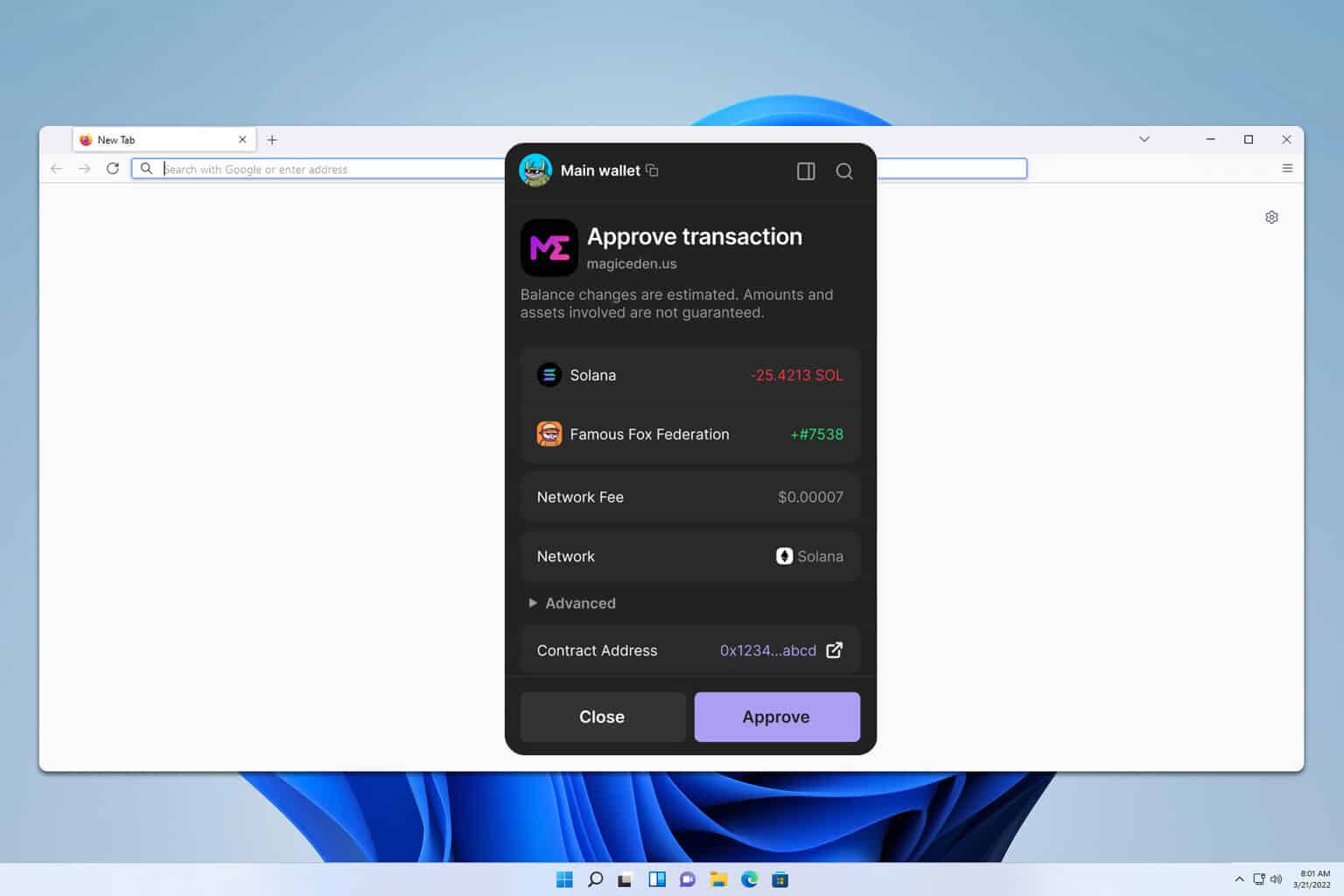
Wow, here’s what bugs me about poor approvals. They show cryptic transaction data, or none at all, and then expect you to hit “Approve” like it’s second nature. I’m biased, but transparency wins in the long run. When a wallet explains costs, token flows, and final states in plain language, user mistakes drop dramatically, and communities grow healthier.
Really, trust is built in small ways. A clear nonce, a readable destination, and a simple revoke flow mean a lot. I’ve had moments where my gut flagged an approval; my instinct said stop, and that saved me from a bad signed message once. Those gut checks are valuable—wallets should respect them, not drown them in tech-speak.
Hmm… let me be honest about trade-offs. Local key storage is convenient, but custodial models offer recovery ease. On one hand local keys mean full control; on the other hand lost seed phrases mean lost assets forever. The wise choice depends on the user’s risk tolerance and technical comfort, which is why onboarding should present both options without bias and with clear consequences laid out.
Wow, onboarding is underrated. People will abandon an app in the first five minutes for reasons that feel trivial to engineers. Small touches—like clear language, helpful defaults, and the ability to skip advanced settings—make a huge difference. Add a gentle tutorial for NFT approvals and people stick around. Period.
My practical pick and where to start
If you want a browser-first experience that balances clarity, speed, and a focus on NFTs, try the phantom wallet and pay attention to how it handles approvals and collection metadata. The reason I mention this one is simple: it nails those micro-interactions that make or break NFT experiences, while keeping the flows approachable for mainstream users.
Wow, customization matters too. Power users want granular settings. Casual users want none of that and just want things to work. A layered interface (simple defaults, advanced toggles tucked away) solves both problems most elegantly, and I’ve seen this pattern reduce support tickets a lot.
Really, think about recovery now. Seed phrases are archaic in the mainstream sense. Social recovery and hardware support are essential steps forward, though actually they introduce new vectors if implemented poorly. On balance, a hybrid approach with hardware wallet compatibility and optional social recovery seems like the most pragmatic path forward.
Wow, I still get nervous about signed messages. Those ephemeral approvals can grant weird permissions. The wallet’s job is to translate that into plain language and give users an easy “deny and learn” option. If a user accidentally approves something, revocation must be obvious and immediate.
Hmm, gas estimation on Solana is less of a headache, but UX still needs to show expected cost, speed, and failure risk. Many wallets ignore failure explanations and just mark a transaction as “failed.” Users deserve to know why, and how to fix it, without opening a developer console—seriously, most people won’t do that.
Wow, community integration is underrated. Linking collections to community chats, or showing historical provenance, helps collectors feel connected. That social context can reduce scams, because community vetting surfaces suspicious patterns. It’s social security, kind of—crowd filters applied to NFT discovery.
Really, the NFT experience is about narrative as much as ownership. People buy stories. Wallets that present provenance, artist notes, and related links create a richer experience. That context matters when someone is deciding to invest a few dollars or a lot more in a piece of digital art or collectible.
FAQ
Are browser extensions safe for NFTs?
Short answer: yes, if you choose a reputable extension and follow basic security hygiene. Use hardware wallets for high-value holdings, verify permissions before approving, and enable features like transaction previews and permission revocation when available.
What should I check before approving an NFT transaction?
Look for clear destination addresses, readable descriptions of token movements, cost breakdowns, and any approval durations. If the approval asks to transfer unlimited tokens or to act on your behalf indefinitely, pause and investigate—often those are signs of potential abuse.
How do I recover access if I lose my seed phrase?
Recovery options vary by wallet; some support social recovery or custodial backup. If you value convenience and can trust a third party, custodial backups help. If you prefer sovereignty, hardware wallets plus secure offline storage of your phrase is the safest—but remember: convenience and safety pull in opposite directions sometimes.
Bir yanıt yazın